

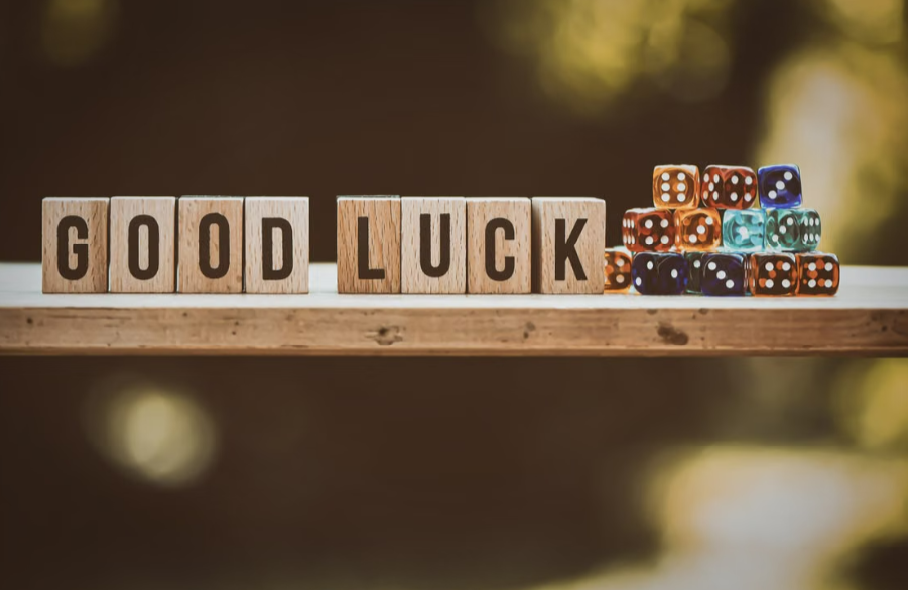
Most of us carry a tiny bag of harmless rituals around without noticing. Everyday superstitions sit in that odd space between memory and instinct. They travel through families, film scenes, cricket dressing rooms and old grandmother sayings, picking up small changes on the way. Looking at where they came from is less about proving them right or wrong and more about understanding why the human brain keeps making them.
Anthropologists trace most of these habits to a very simple mental shortcut: when something good happens, we quietly note what we were doing at that moment, and the next time we want the same outcome, we repeat the setup.
That pattern shows up everywhere, from a batter tapping the crease twice to a viewer picking a lucky seat before a spin on a live show like xxxtreme lightning roulette live, where the wheel is fully random, yet regulars still swear by their own small pre-round gestures. The behaviour is about the comfort of feeling prepared, and it appears in kitchens, exam halls and stadium stands alike.
How the Brain Writes Little Rules of Luck
Behavioural researchers describe superstition as a byproduct of pattern recognition running slightly too hot. Our ancestors survived by connecting cause and effect quickly, and the same wiring now connects unrelated events with surprising confidence. It’s a near-universal human tendency rather than a cultural quirk.
The rule the brain writes is usually small and specific. Wear the yellow shirt to the match. Do not sweep the floor after sunset. Touch wood when you compliment a child. These rules feel harmless because they are, but the mechanism behind them is the same one that once helped early humans avoid poisonous berries. It is memory, applied a little too generously.
Numbers That Carry Stories
Certain numbers travel through cultures like celebrities. They collect meaning from religion, from language puns, from ancient astronomy, and eventually from the film industry that keeps repeating them.
The Pull of Seven
Seven appears in almost every tradition that touched the subcontinent. The seven sages, the seven vows around the sacred fire, the seven notes of Hindustani music, the seven colours of the rainbow taught in every school. When a number shows up that often in early lessons, it starts to feel structural, and structural things feel trustworthy.
Why Thirteen Makes People Nervous
Thirteen carries mostly imported anxiety, arriving through colonial-era English literature and later through Hollywood horror. Older Indian traditions do not treat it with the same fear, which is why many buildings in smaller towns still label the thirteenth floor without a second thought, while newer high-rises skip it to please buyers who grew up on Western films.
The Quiet Confidence of Nine
Nine holds a steadier place. Navaratri, the nine planets, the nine gems in traditional jewellery, the nine forms of the goddess. Its cultural roots are deep enough that even people who never think about astrology tend to feel that nine is a solid, complete sort of number. That is superstition doing its everyday work: turning familiarity into feeling.

Gestures That Travelled Further Than Their Meaning
Crossed fingers, tapping wood, throwing a pinch of salt over the shoulder, breaking a coconut before a new venture — these gestures started as small religious or protective acts and then drifted into pure habit. The original meaning fades, the movement stays, and eventually it becomes something people do without a story attached at all.
A few markers help separate a gesture that still carries genuine cultural weight from one that has become plain habit:
- It appears at specific life events rather than random moments.
- Older family members can name where they learned it.
- The action is tied to a clear intention, not a vague feeling.
- Skipping it produces mild guilt rather than mild embarrassment.
- It survives across generations without needing film or television to reinforce it.
Most everyday superstitions fail two or three of those tests, which is exactly why they feel light. They are cultural residue, and residue is easy to carry.
Why These Habits Refuse to Disappear
Even the most rational person keeps one or two rituals. The reason is not weakness of thought. It is that superstitions offer a cheap form of control in situations where control is genuinely limited. The gesture does not change the outcome, but it changes how the person waits for it, and the waiting is often the hardest part. That small comfort is why lucky numbers and crossed fingers will outlive every attempt to explain them away.
